Kitchen Herbalism and Your Spice Cabinet
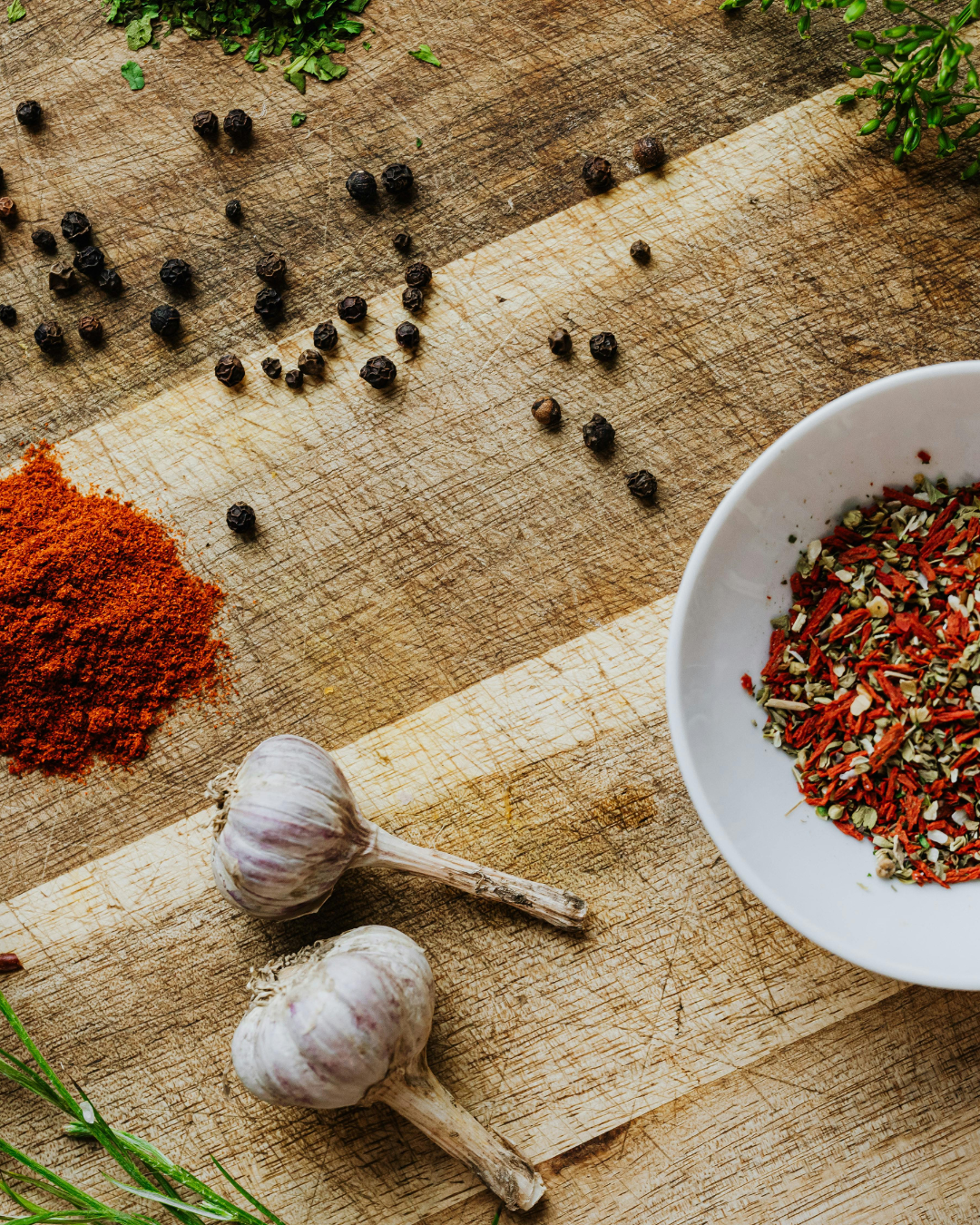
Who says herbalism has to be fancy, expensive, or reserved for those wandering through a chic herb shop? The truth is, some of the most powerful medicinal plants are already hanging out in your kitchen! A sprig of rosemary, a clove of garlic, an onion, or some cinnamon, these everyday plants are overlooked powerhouses.
What if your kitchen is missing something? That is no big deal at all. A trip to the grocery store will offer everything you need. The best part? You can start cultivating relationships with medicinal plants right at home, with the foods and spices you already have around you. Herbalism isn’t about spending a lot of money, or have a whole inventory of herbs… it’s about access, curiosity, and getting your hands working in the kitchen.
Here are some herbs and common ailments that they support:
Cinnamon (Cinnamomum verum)
Cinnamon is commonly known to help balance glucose levels and to decrease sugar cravings. This herb can be useful for people with diabetes, food related brain fog, and weight gain. It's warming action is helpful to warm up the internal fire of the body, especially during the cold months. Enjoy a tea or sprinkle powder on meals.
Ginger (Zingiber officinale)
An herb to potentially relieve digestive upset, nausea or morning sickness. When sickness arises, ginger can support with cold+ flu by warming the interior and releasing sweat through the surface of the skin. Eat fresh, brew in a tea, or juice.
Thyme (Thymus vulgaris)
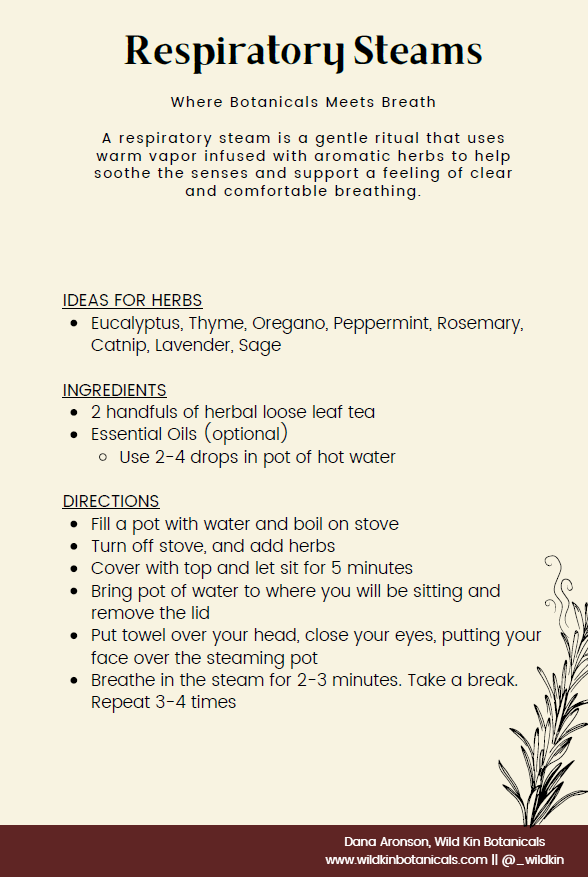
Traditionally used for acute respiratory upset, decreasing phlegm, soothing the throat, and fighting off bacterial infections. Use as a respiratory steam, infused into honey, or enjoy a tea of it.
Rosemary (Salvia rosmarinus)
This plant is wonderful to support tension headaches and migraines. Its circulatory stimulant action can help bring blood flow and oxygen up to the head. Having an affinity to the head, rosemary can also help clear brain fog. This plant is traditionally used to ease digestive upset after a meal. Brew in a tea, add to broths, or use in a respiratory steam for its antimicrobial and expectorant properties.
Sage (Salvia officinalis)
There are many different varieties of sage, but most will have culinary sage in their kitchens. Known for its antibacterial properties, this plant can support the cold + flu, and the oncoming of a sore throat. The resins of this plant can irritate the mucous membranes in the lungs and stimulate coughing to rid phlegm. By easing inflammation in the mouth and throat, make a warm tea and use it for a mouthwash or gargle. This plant can also be used in a respiratory steam.
Preparations:
Tea - 1 Tbsp of herbs to 1 cup water. Put herbs in a cup, pour post boiling water over. Cover, and steep for 10-15 mins. Strain and enjoy. Will store in the fridge up to 3 days. This extraction method is also used for mouth washes and gargles.
Powdered Herbs - 1 tsp of powdered herb into water, smoothie, juice or capsule. Mix and ingest.
Respiratory steam -